

How to Choose the Right Cruise Ship Without Regretting Your Booking
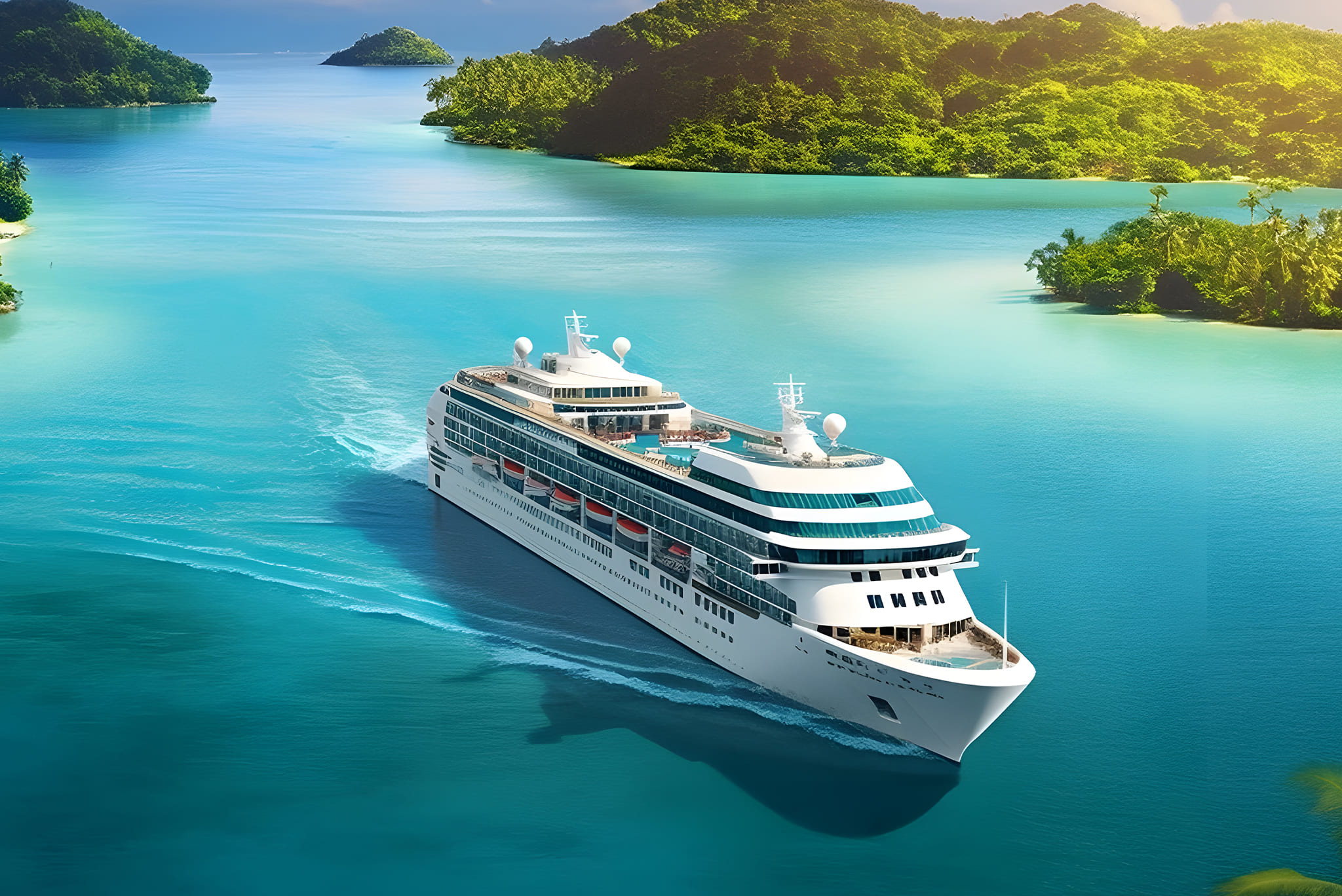
Booking a vacation should bring immense joy, yet selecting the wrong ocean vessel can quickly turn anticipation into deep frustration. You spend hours browsing beautiful itineraries, only to realize later that the onboard environment doesn’t match your personal travel style.
Now picture expecting a quiet oasis of relaxation but finding yourself surrounded by roaring waterslides and thousands of high-energy passengers. This mismatch happens often when travelers choose a ship based solely on the destination or a low-price tag. Selecting the proper vessel requires matching your daily preferences with the layout, size, and culture of the specific ship.
Assessing Vessel Size and Deck Environment
The true physical size of a modern passenger ship dictates nearly every aspect of your daily experience while out at sea. Large vessels function as floating entertainment centers, spanning multiple city blocks, and also hosting thousands of guests simultaneously.
These massive ships feature extensive lavish zones including several theater venues, climbing walls, and also expansive pool areas. If you tend to enjoy a high-energy atmosphere with endless activity options around every part of your journey, a large vessel is your obvious choice. However, navigating these expansive layouts requires significant walking and popular venues can develop noticeable lines during the peak hours of the day.
On the contrary, smaller vessels tend to offer a much quieter and intimate environment for individuals who seek true detachment from the noise. These ships carry few passengers, allowing the crew to provide highly individualized attention and recognize you by your name.
Apart from that, the layout of the ship remains easy to navigate with fewer decks to explore and shorter walking distances between your room and dining venues. Smaller ships can also access boutique parts of call that cannot accommodate massive hulls, providing unique land experiences.
If your goal involves quiet reading on a peaceful deck, a smaller ship will protect you from unwanted noise and crowds.
Aligning Dining Style and Onboard Activity
Food and entertainment form the core of the daily shipboard routine, but styles tend to vary dramatically between different operators. Some lines focus heavily on traditional schedules, featuring grand main dining rooms where you eat at a fixed time each evening. This classic structure allows you to build a rapport with the same waitstaff throughout your entire journey.
Other contemporary operators embrace complete flexibility, allowing guests to walk into various dining venues whenever they feel hungry. Understanding how you prefer to dine prevents the irritation of restrictive schedules that conflict with your natural vacation rhythm.
Meanwhile, onboard activities require the same attentive alignment to ensure you enjoy your time between port visits. High-energy ships offer continuous distractions, from ice-skating rinks and surfing simulators to Broadway-style musical productions.
These vessels keep your itinerary packed from sunrise until late into the night, making them popular for multi-generational groups. On the other hand, destination-focused lines swap out amusement rides for educational lectures, historical discussions, and local cultural performances.
The thing is: choosing a ship that mirrors your personal energy level ensures you never feel bored or overwhelmed during long voyage days.
Decoding Cabin Selection and Location
Your stateroom serves as your private sanctuary during the voyage, making the choice of location vital to your comfort. Interior cabins lack windows but offer a budget-friendly way to get onto the ship if you plan to spend all your time on deck.
Ocean-view rooms provide a fixed window to pull in natural light, while balcony cabins deliver a private outdoor seating area. The choice depends on how much you value stepping outside to check the weather or view the horizon privately. Spending a small amount extra for a balcony can transform a standard room into a peaceful personal.
Physical placement within the ship’s structure matters just as much as the actual room category you tend to select. Cabins located directly under noisy pool decks, night clubs, or main galleys can experience disruptive vibrations and sound throughout the night.
If you are sensitive to motion sickness, booking a room on a lower deck in the middle of the ship minimizes movement. These central areas experience less tilting than rooms located at the front or back of the vessel. Reviewing deck plans before finalizing your room number protects your sleep and assures a peaceful environment.
Evaluating Itineraries and Port Time
The route of the ship determines not only where you go but also how much time you actually spend exploring. A common mistake involves selecting a route with too many sea days when your main goal is exploring land destinations.
Some itineraries focus on scenic cruising, where the ship moves slowly through beautiful areas like fjords or glacier bays without stopping. Other routes feature packed schedules with a new port of call every single morning, requiring early wake-up times and constant walking. Balancing your desire for land exploration with periods of shipboard rest creates a sustainable vacation pace.
The exact duration of port stops also varies significantly from one ship itinerary to another. A short stop of five hours allows only a brief glimpse of a city, often forcing you into rushed shore excursions.
Look for itineraries that tend to offer extended stays of ten hours or more, or even overnight stops in major cultural capitals. These longer visits grant you the freedom to explore local restaurants, historical sites, and neighborhoods at a leisurely pace.
Ensuring the ship stays in port long enough to fulfil your exploration goals prevents the feeling of being rushed back aboard.
Navigating the Total Cost Structure
The initial price of a cruise ticket rarely reflects the final amount you will pay by the end of the trip. Modern cruise lines operate under vastly different pricing structures, ranging from base-free models to more inclusive systems.
A low base fare gets you onto the ship and covers standard dining, but individual extras can accumulate quickly. Items like soft drinks, speciality restaurants, internet access, shore excursions, and crew gratuities often require separate payments.
Budgeting for these additional operational costs beforehand prevents unpleasant surprises when reviewing your final statement at disembarkation.
Some operators simplify this process by bundling multiple amenities into your initial upfront fare. These packages might include your beverage choices, Wi-Fi connectivity, and a selection of shore excursions from the start. While the initial booking price appears higher, this model offers clear transparency and allows you to enjoy the ship without constant mathematical calculations.
Reviewing what is included in the base rate versus what requires a fee helps you compare different ships accurately. Selecting a pricing structure that matches your spending style ensures a relaxed mindset throughout the journey.
Steps to Finalize Your Choice
Navigating the wide array of available vessels becomes simple when you follow a structured decision process. Taking systematic steps prevents emotional decisions driven by flashy advertisements or limited-time promotional pressures.
1.Define Your Vacation Goal:Step 1.
Establish whether you want active family entertainment, a romantic getaway, or a deep historical exploration of a specific region.
2.Filter by Ship Size:Step 2.
Select a vessel category based on your preference for massive entertainment hubs versus quiet, intimate ocean experiences.
3.Analyze the Included Costs:Step 3.
Compare base fares and add-on fees across lines to determine which pricing model fits your overall spending plan.
4.Select a Strategic Cabin:Step 4.
Study the official deck map to pick a room location away from noisy venues and positioned to minimize ship movement.
Finding the ideal ship requires looking beyond the beautiful exterior photos and understanding the operational reality on board. Matching the scale of the vessel, the dining options, and the cabin location to your daily habits ensures a satisfying escape.
Taking the time to research these details transforms your booking from a stressful gamble into a precise plan for a smooth journey. Once you align these factors, you can step onto the gangway with complete confidence in your vacation choice.