

How Modern Cruise Ships Became Floating Cities at Sea
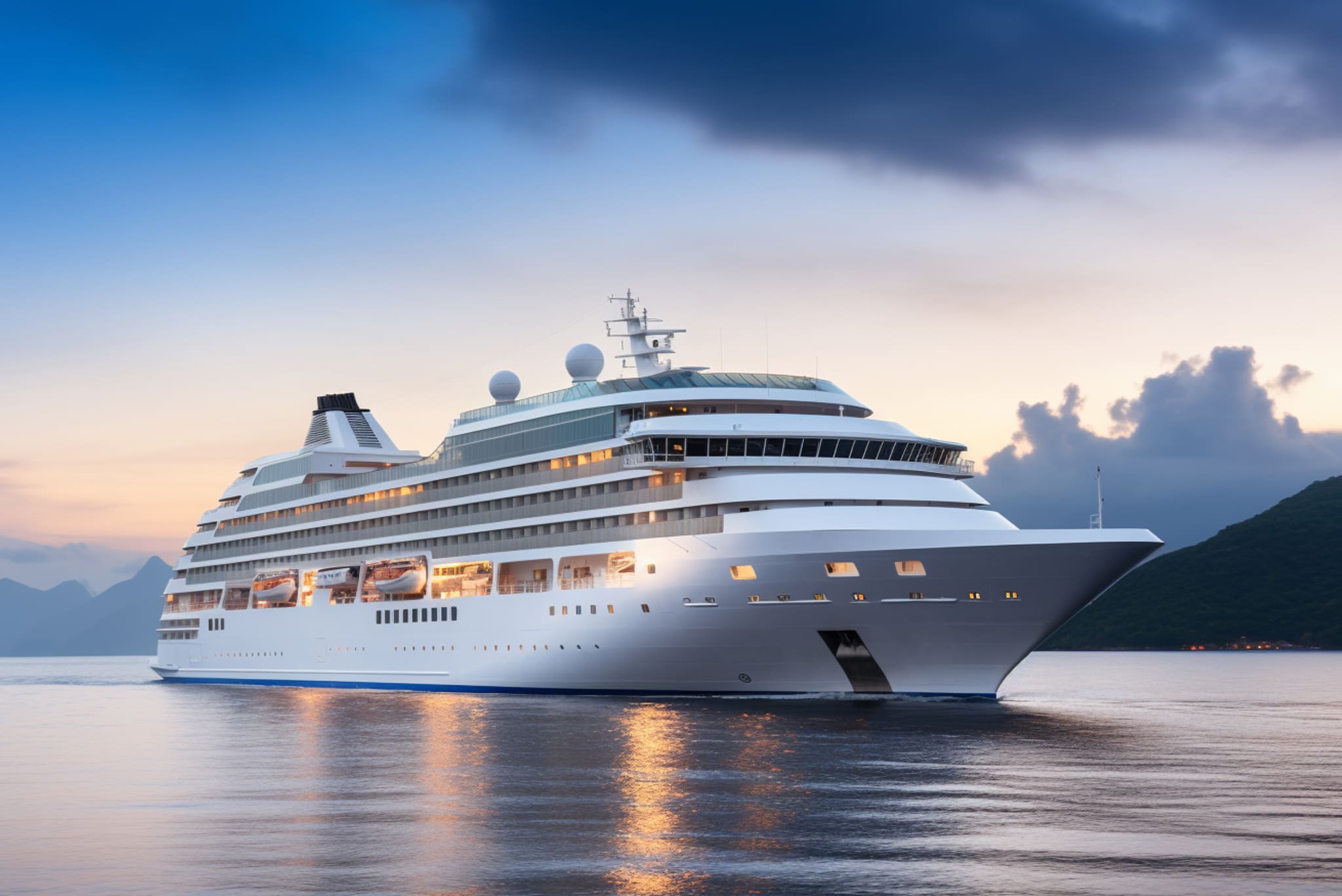
Imagine stepping into a destination where a multi-story theater, a bustling central park with thousands of living plants, and twenty distinct spots all exist within a single zip code. Now picture, that entire landscape moving across the open ocean at twenty knots. This represents the reality of modern ocean travel. Vacationers no longer use passenger vessels simply as transport to reach a foreign port. Instead, travelers tend to choose these massive vessels as the main event. Shipyards build these vessels to mimic urban centers, completely altering how people tend to experience global tourism.
The Engineering Behind Moving Urban Infrastructure
In order to create a functional metropolis on water, marine architects completely rethink traditional ship construction. Standard infrastructure rests on solid ground, but a vessel must carry its power grid, water production facilities, and waste management systems across thousands of miles of deep water.
Engineers build these vessels using advanced modular blocks, stacking steel sections to form hulls that stretch longer than three football fields. This massive scale allows operators to stabilize the platform, which ensures guests experience the smooth stability of a ground-based resort even while crossing vast oceanic currents.
Powering a vessel of this magnitude requires immense mechanical output. Modern shipyards install massive multi-fuel engines that generate enough electricity to sustain a medium-sized terrestrial town. This electrical energy fuels the propulsion units and keeps the light bright across thousands of individual cabins.
Marine systems use liquid natural gas and advanced fuel alternatives to push these vessels through the water with increased efficiency. By using specialized pods that tend to rotate three hundred sixty degrees beneath the stern, captains maneuver these massive hulls into tight harbor spaces without the heavy reliance on traditional tugboats.
Fresh water presents another substantial challenge when thousands of people occupy a single moving space. Ocean vessels don’t simply store water; they manufacture it continuously. Desalination plants onboard use reverse osmosis to strip salt from sea water, converting millions of gallons into pure water every single day for kitchens, pools, and staterooms. Simultaneously, complex water management networks process every drop of waste, using advanced filtration systems to purify water before it leaves the vessel. This level of self-sufficiency mirrors the complex public utility frameworks that keep major modern land cities functioning around the clock.
Designing Distinct Onboard Neighborhoods and Lifestyle Hubs
When an ocean vessel accommodates over six thousand travelers simultaneously, traffic management becomes a critical design priority. Ship designers solve this issue by dividing the interior spaces into distinct behavioral zones, often called neighborhoods.
This architectural choice disperses crowds naturally, ensuring that a guest looking for a quiet afternoon reading spot never shares a wall with a high-energy water slide or a loud music venue. Walking through the decks feels exactly like moving from a quiet residential suburb into a vibrant downtown entertainment district.
|
Level |
Zone Name |
Primary Purpose |
|
Decks 15–17 |
Active Zone |
Recreation and adventure activities |
|
Decks 10–14 |
Residential Corridors |
Passenger accommodations |
|
Deck 8 |
The Green Hub |
Social gathering and nature-inspired spaces |
|
Decks 5–7 |
The Promenade |
Shopping, entertainment, and dining |
One major neighborhood concept brings actual nature onto the open ocean. Designers open the center of the superstructure to the sky, creating long pathways lined with real soil, mature trees, and thousands of green shrubs. Guests sit at open-air sidewalk cafes, listening to acoustic musicians while feeling the natural sea breeze overhead.
This design creates a stark contrast to old ocean liners, which tend to feature dark enclosed hallways. This open-air center allows interior staterooms to feature real windows and balconies that look out onto a lively promenade rather than a blank steel wall.
Further down the deck plan, indoor promenades serve as the main commercial veins of the vessel. These multi-deck atriums house clothing boutiques, jewelry storefronts, artisanal coffee houses, and also lively pubs.
High ceilings feature massive digital displays that change appearance based on the hour, mimicking a bright morning sky or a starry evening view. By incorporating these massive architectural variations, the ship removes any feeling of confinement, successfully convincing the human brain that it exploring a historic European plaza or a contemporary seaside boardwalk rather than an enclosed marine hull.
The Evolution of High-Scale Ocean Entertainment and Commerce
Entertainment on the high seas has evolved far beyond basic lounge acts and simple musical duos. Modern vessels feature multi-million-dollar theater spaces equipped with complex hydraulic stages, aerial rigging lines, and high-definition projection mapping systems.
Production companies launch full-scale Broadway shows, high-dive aquatic exhibitions, and ice-skating spectacles inside arenas that sit directly above the engine rooms. These venues operate simultaneously every single night, giving travelers access to world-class performances without requiring an extra ticket or a long commute across a city.
Culinary operations on these vessels resemble massive logistics triumphs. Executive chefs oversee hundreds of kitchen staff members working across dozens of standalone dining venues. Instead of a single grand dining hall, modern travelers select from upscale steak houses, sushi bars, rustic Italian trattorias, and casual global food halls.
The supply chain requires exact precision; loading docks ingest tons of fresh produce, flour, and proteins during brief port stops. Computer algorithms track food consumption patterns in real-time, allowing kitchen managers to bake fresh bread and prepare meals based on exact guest behavior trends, minimizing waste while maximizing flavor.
This commercial evolution directly serves the modern traveler who desires complete personalization. A person can start their morning scaling a climbing wall eighty feet above the water line, spend the afternoon learning digital photography in a high-tech media center, and finish the night viewing contemporary art inside an onboard gallery.
The sheer variety of activities turns the vessel into an independent micro-economy. This setup drives high engagement because guests discover new experiences every day of their journey, keeping the vacation momentum high from the initial sail-away party to the final morning in port.
Experiencing Global Destinations with Total Convenience
The true appeal of the modern megaship lies in how it simplifies international exploration. Travelling through several countries traditionally involves a chaotic logistical puzzle of airport security lines, train schedules, hotel check-in times, and luggage management.
A cruise vacation eliminates these friction points entirely. Travelers unpack their bags a single time in a boutique hotel room that travels with them, waking up each morning to view a completely different coastal landscape or historic port town outside the balcony window.
This seamless mobility alters the relationship between the traveler and the map. A guest enjoys a rich dinner in a venue inspired by Parisian design, falls asleep in comfort, and steps directly out into a rich Caribbean market or an Alaskan glacial fjord the following morning.
The vessel serves as a secure, predictable basecamp. After a full day of exploring ancient ruins or hiking rugged coastal trails, travelers return to a familiar environment where English-speaking staff, standard electrical outlets, and high-speed satellite internet await them.
This combination of adventure and stability makes ocean travel highly attractive to multi-generation groups. Grandparents, parents, and children often possess vastly different ideas regarding the ideal vacation itinerary.
A floating city satisfies everyone simultaneously; younger family members spend the afternoon at the onboard water park, while adults enjoy a wine-tasting seminar or relax in an adults-only solarium.
The family unites for dinner in a specialty restaurant to share stories about their day, creating s shared vacation experience that satisfies individual preferences without forcing anyone to compromise.
Secure Your Cabin on the Next Evolution of Ocean Travel
The maritime world continues to push beyond boundaries of what a ship can achieve, blending cutting-edge engineering with world-class hospitality to create unforgettable journeys. Ocean travel successfully combines the thrill of global discovery with the endless amenities of a land resort.
These vessels offer an unmatched way to see the world, wrapping your travel logistics into a single elegant package.
So, are you ready to experience the wonders of a floating city for yourself? Explore our upcoming itineraries, select your preferred neighborhood onboard, and book your next ocean getaway today. Your stateroom is ready, and the horizon awaits/