

Cruise Ship Budget Traps: Where Travelers Overspend Without Realizing It
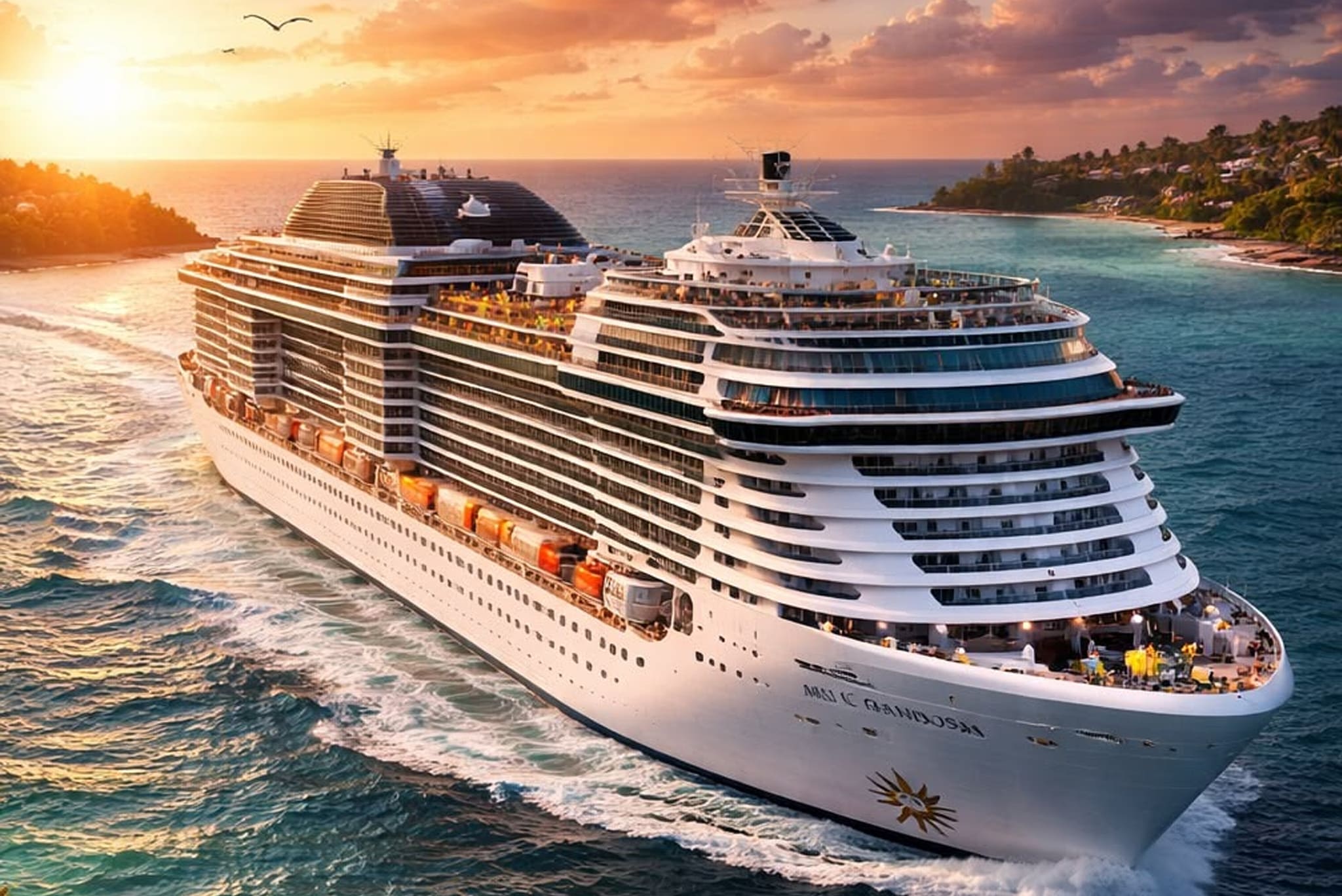
Stepping onto an ocean vessel feels liberating because the initial ticket covers your lodging, transit, and basic meals in a single package. However, many vacationers face a startling surprise when the final morning arrives and an itemized bill slides under their cabin door. While mainline voyages offer incredible value, the onboard environment functions as a highly optimized retail ecosystem designed to encourage spontaneous spending.
Travelers frequently exhaust their vacation funds because they see the vessel like an all-inclusive resort when it actually operates more like an unbundled theme park. Understanding where these hidden layout expenses occur allows you to protect your overall balance.
The Compounding Cost of Daily Services and Digital Access
The first major spending surge occurs quietly behind the scenes, long before you ever step foot inside a souvenir boutique or a casino. Mainline operators systematically add automated service fees, commonly categorized as gratuities, directly to your passenger profile for every single day of the itinerary.
These charges fluctuate between sixteen and twenty-three dollars per individual per day depending on your cabin category. For a typical family of four occupying a standard stateroom on a week-long voyage, this quiet addition automatically increases the final checkout by several hundred dollars, altering the initial vacation calculation significantly.
Satellite internet connection presents another area where modern vacationers routinely overspend out of pure habit. Because maritime data relies on complex orbital networks rather than terrestrial cell towers, shipboard access commands high retail rates. Daily packages frequently cost between twenty and thirty-five dollars per device, and first-tier plans that support video streaming demand even higher rates.
Families who purchase connection access for multiple smartphones and tablets without reviewing the tiered structures beforehand often find that their digital connection costs rival the price of an extra shore excursion.
To manage these basic structural costs efficiently, smart planners address these items during the initial reservation window. Paying service fees ahead of time removes the surprise from your final statement, allowing you to track actual open-board consumption with clarity.
Furthermore, evaluating whether you truly require constant connectivity at sea helps prevent digital overspending. Many savvy travelers choose to disconnect while sailing across open waters, waiting until the vessel docks at regional ports to use local terrestrial networks or free coastal connection zones, preserving their vacation funds for actual physical experiences.
Navigating the Multi-Tiered Beverage and Culinary Landscape
Food remains a primary selling point for ocean travel, yet the culinary layout for modern vessels can result to significant overspending. Mainstream tickets provide full access to expansive casual buffets, poolside grills, and the multi-course main dining rooms.
Despite this abundance of inclusive options, ship layouts position specialized dining venues in prominent, high-traffic areas to attract attention. These venues require an extra flat cover change or use individual pricing menu pricing, tempting guests to bypass the inclusive dining rooms to try alternative menus.
Beverage programs function similarly, presenting a complex choice that often trips up first-time passengers. Standard tickets include basic items like tap water, regular iced tea, and select juices during morning hours.
Specialty coffees, canned sodas, bottled water, and adult beverages all carry standalone retail prices, often accompanied by an automatic eighteen percent service charge on every individual order.
To simplify this, cruise lines market unlimited beverage packages, charging a high flat daily fee that must be purchased for the entire duration of the sailing. The billing trap occurs when travelers purchase these beverage programs impulsively without performing the basic math.
On many lines, if one adult in a cabin purchases an upgraded beverage plan, corporate policy mandates that every adult in that same room must buy it as well. A couple can easily spend over eight hundred dollars on a weekly package, requiring them to consume a massive number of specialty drinks every single day just to break even.
If your itinerary features multiple port days where you spend maximum time exploring land destinations, you pay for a shipboard asset you cannot physically use during the day.
Port Excursions and Onboard Activity Upgrades
Waking up in a brand-new coastal town or international city is a highlight of ocean travel, but how you choose to explore these destinations can highly impact your budget. Cruise lines tend to promote their own corporate-backed shore excursions heavily, emphasizing convenience and scheduling security.
However, these pre-packaged tours carry a substantial middleman markup. A simple beach transfer, snorkeling tour, or historical walking tour booked directly through the ship can cost double the price of an identical excursion arranged through local independent guides or regional transport networks.
Port Convenience Myth: Many travelers believe they must book through the ship to get assured they will not be left behind. In reality, choosing established independent operators or structuring your timeline with a built-in three-hour buffer provides identical security at a fraction of the cruise line's retail price.
Beyond the shoreline, modern ship designs incorporate high-energy attractions right on the upper decks, including race tracks, escape rooms, simulation centers, and also arcade zones. While traditional features like water slides and miniature golf courses remain entirely free, these newer, high-tech installations often require individual reservations and standalone fees.
Parents frequently overlook these parameters, granting children open charging access via their room keycards only to discover that several rounds of virtual gaming have quietly inflated their final account balance.
So, avoiding these common pitfalls requires a proactive strategy before the ship departs the harbor. Researching port layouts in advance reveals which destinations feature walkable historic centers or easily accessible public beaches, eliminating the need for expensive organized tours.
For destinations that require guided transit, booking through third-party vendors lower costs while maintaining high experiential standards. Setting clear spending limits on individual room keycards before leaving the home port ensures that younger family members enjoy the onboard facilities without creating unexpected liabilities.
Structural Convenience Fees and Impulse Purchases
The final category of hidden spending involves convenience charges and impulse purchases that exploit the relaxed mindset of vacationers. Room service serves as a prime example; while continental items occasionally remain free during early morning hours, ordering hot items or late-night snacks now incurs a convenience fee of nearly eight to ten dollars per delivery across multiple major lines.
Similarly, fitness centers offer complimentary access to weight machines, but organized yoga, cycling, or boot-camp sessions tend to carry individual class registration fees that add up over a multi-day voyage.
The physical layout of a vessel also encourages impulsive spending through calculated retail placement. Passengers must walk through central promenades lined with art galleries, duty-free jewelry shops, and professional photo stations to reach major entertainment venues.
Portrait photographers set up backdrops every evening, offering free sessions but charging high rates for individual physical prints or digital downloads. Furthermore, basic personal items, sunscreen, and over-the-counter sundries sold in onboard shops carry steep markups because travelers have no alternative retail options while sailing in open waters.
Overcoming these budget leaks requires intentional planning and minimal adjustments to your packing routine. Bringing your own sunscreen, common toiletries, and basic everyday necessities prevents you from paying shipboard retail. Utilizing the extensive, complimentary options available at the buffet instead of relying on room service keeps your balance clear of extra transactional fees.
By understanding the commercial framework of modern ocean vessels, you shift from an impulsive consumer to a strategic traveler, enjoying all the amenities of these floating destinations while keeping your vacation budget completely intact.
Take Total Control of Your Next Ocean Escape
Vacationing on the open ocean remains one major rewarding ways to experience the world, offering an array of destinations alongside incredible onboard variety. Navigating these modern vessels successfully doesn’t mean depriving yourself or enjoyment; it means directing your resources toward the options that matter to you.
By identifying these common budget traps in advance, you can enjoy your journey with absolute confidence, focusing on the horizon rather than your account balance.
So, are you ready to plan a smart, well-structured ocean vacation? Explore our upcoming cruise guides, compare regional itineraries, and secure your ideal cabin today. Start your next adventure with complete clarity and maximize your travel experience from the moment you step onboard.